INTERIOR DESIGN PROJECTS
In the field of architecture and construction, interior design plays a crucial role in shaping the style, functionality, and overall value of each project. A complete interior design project is not simply about arranging furniture or selecting decorative materials, but also involves research, creativity, and space organization to suit practical needs. From initial ideas to completion, every aspect needs careful planning to create harmony between aesthetics, comfort, and functionality.
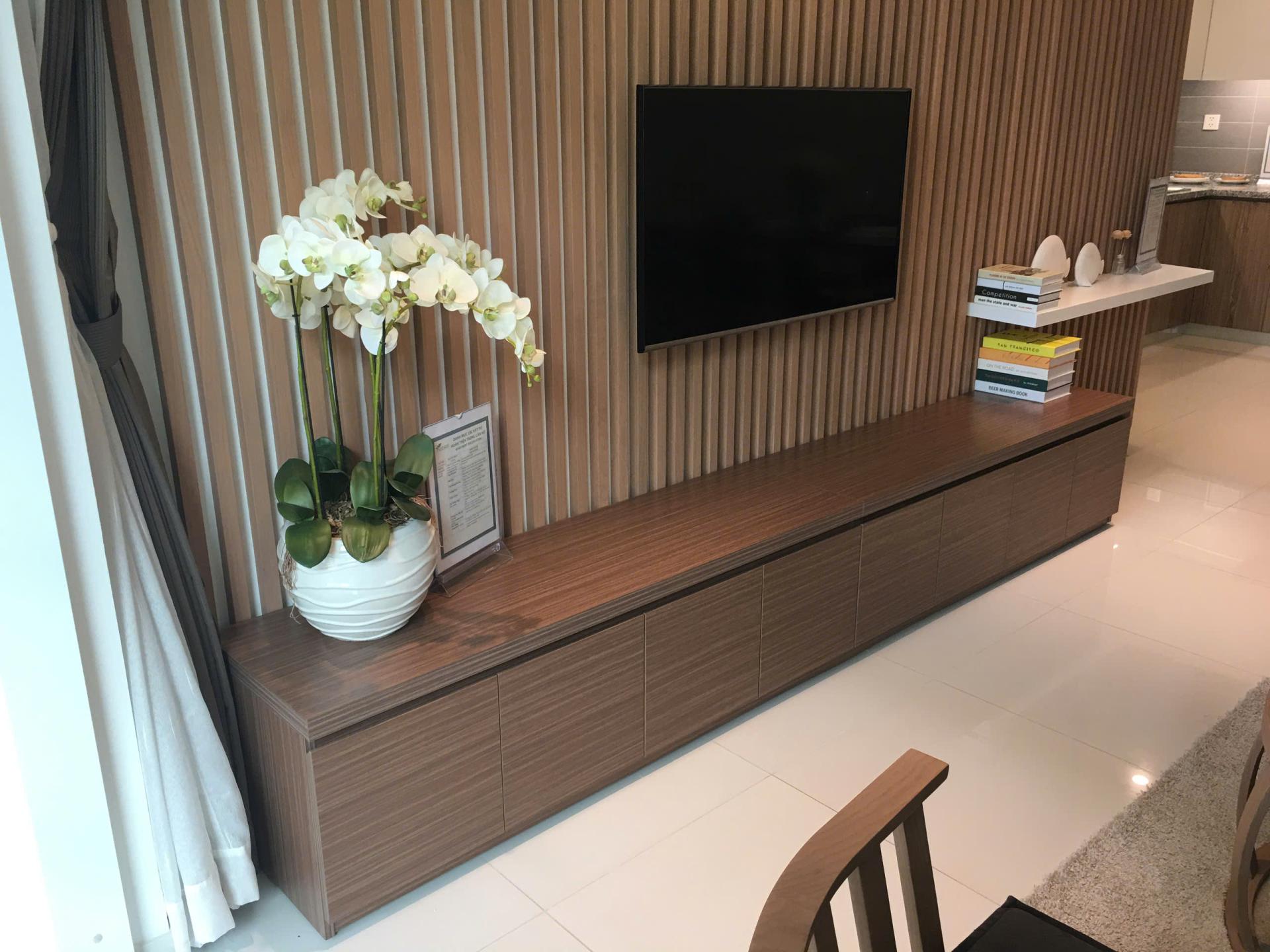
-Each project begins with understanding the existing structure, floor area, architectural features, and client's wishes. Based on this information, the design team will develop a spatial layout plan, select the main style, and determine suitable materials. The design process focuses not only on external aesthetics but also on convenience in daily life, storage capacity, connectivity between areas, and efficient use of space.
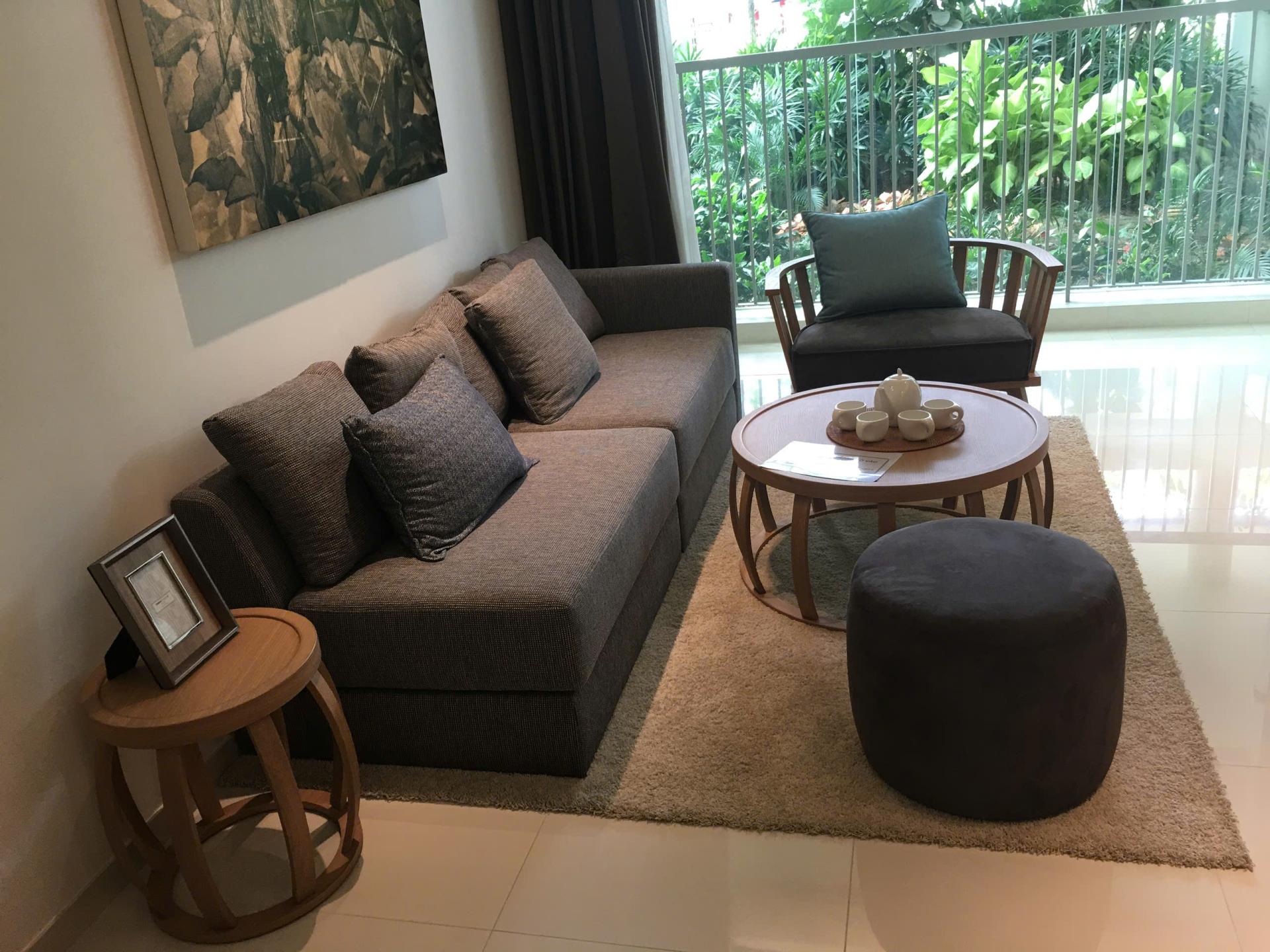
-Depending on the characteristics and purpose of use, each project will have unique design requirements. For residential spaces, interior design usually aims for warmth, privacy, and comfort, creating a pleasant feeling for family members. For offices, professionalism, optimal space utilization, and connectivity between departments are prioritized. Meanwhile, commercial spaces such as showrooms, shops, restaurants, and hotels need to focus on customer experience, brand recognition, and product display.
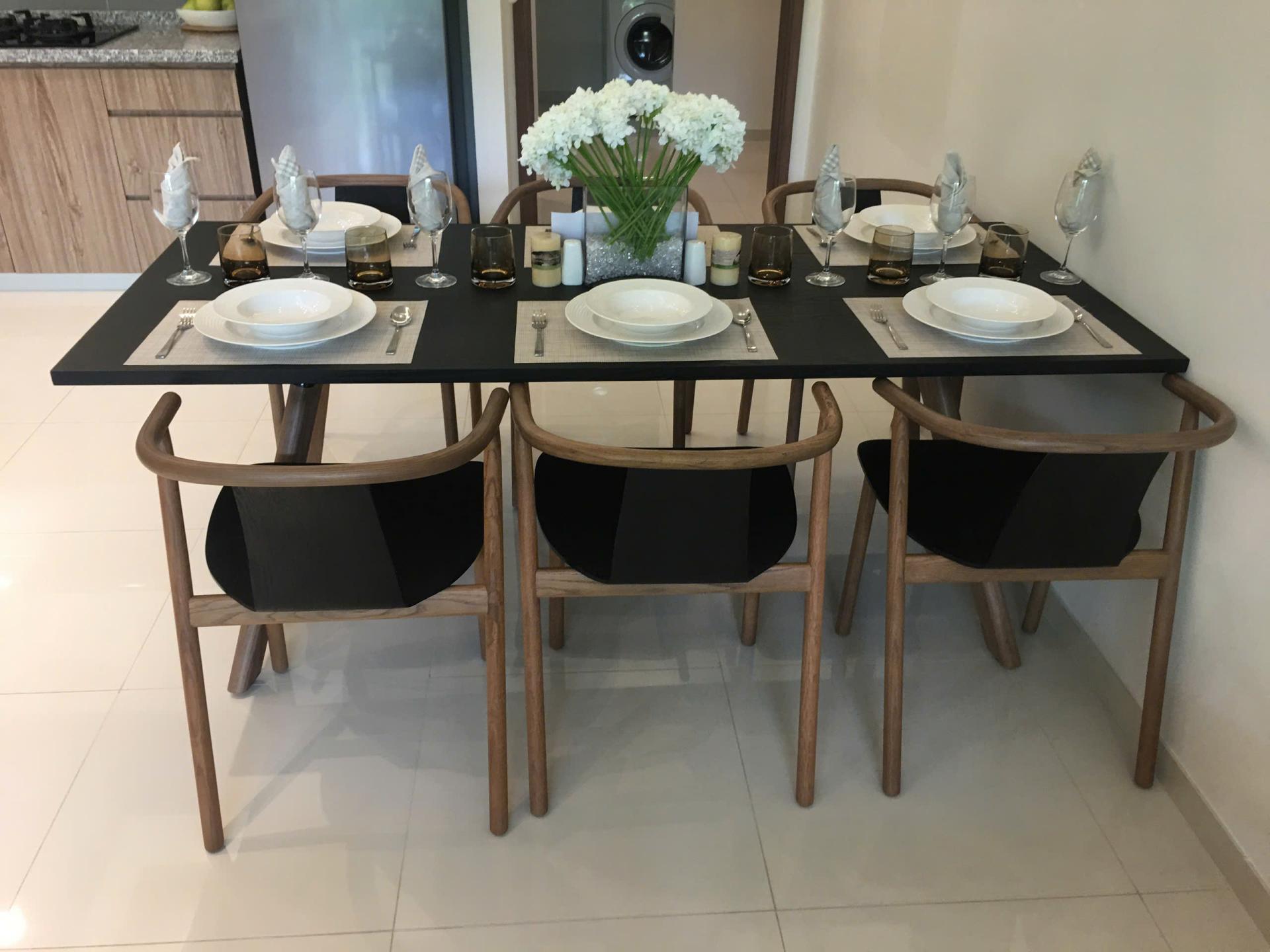
-One of the key elements that contributes to the value of an interior design project is the selection and combination of materials. Natural wood, engineered wood, stone, glass, metal, and modern decorative materials can be used flexibly depending on the design style. Each type of material offers unique characteristics in terms of color, texture, durability, and aesthetic effect. The right combination of materials not only creates an impressive appearance but also ensures consistency and aligns with the investment budget.
-Besides materials, color and lighting also directly influence the perception of space. Neutral colors create an elegant and gentle aesthetic, while bolder tones can create focal points and express individual personality. Appropriate lighting will highlight functional areas, increase spatial depth, and create an atmosphere suitable for each purpose. The harmonious combination of natural and artificial light contributes to enhancing the quality of the experience throughout the entire building.